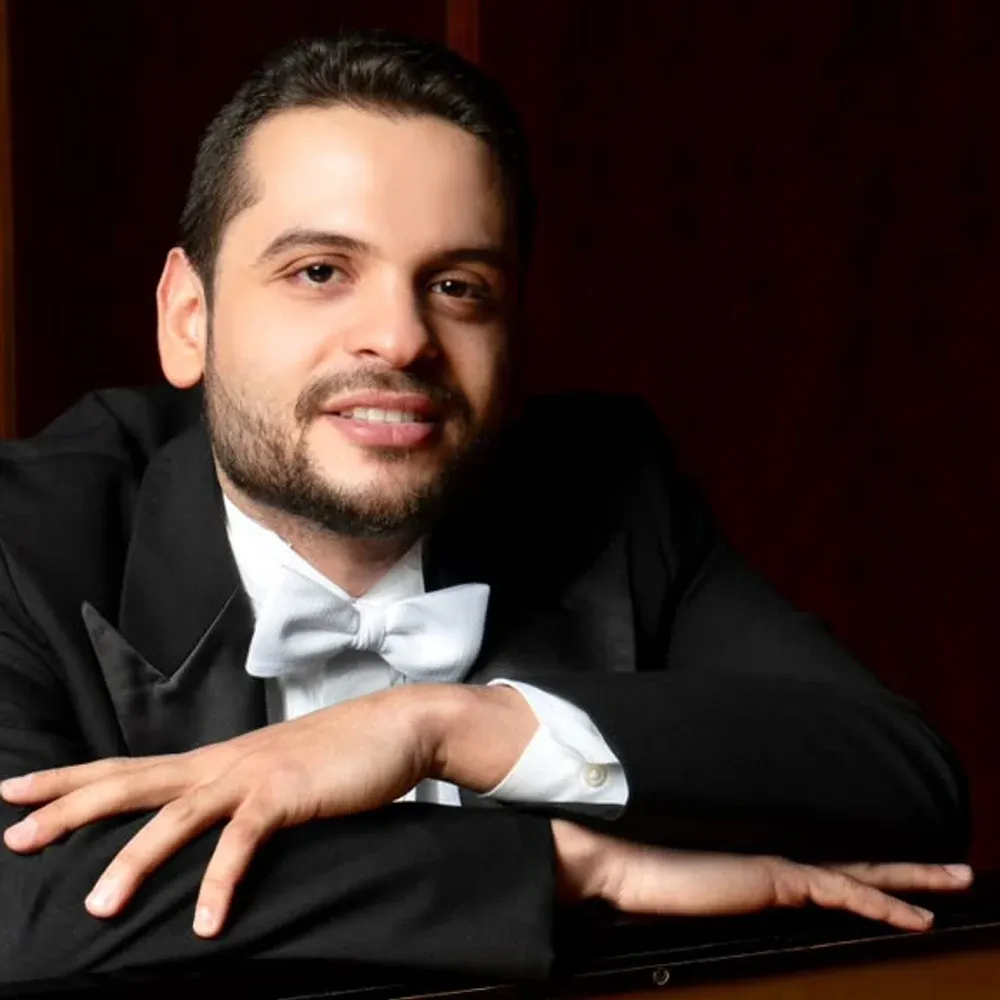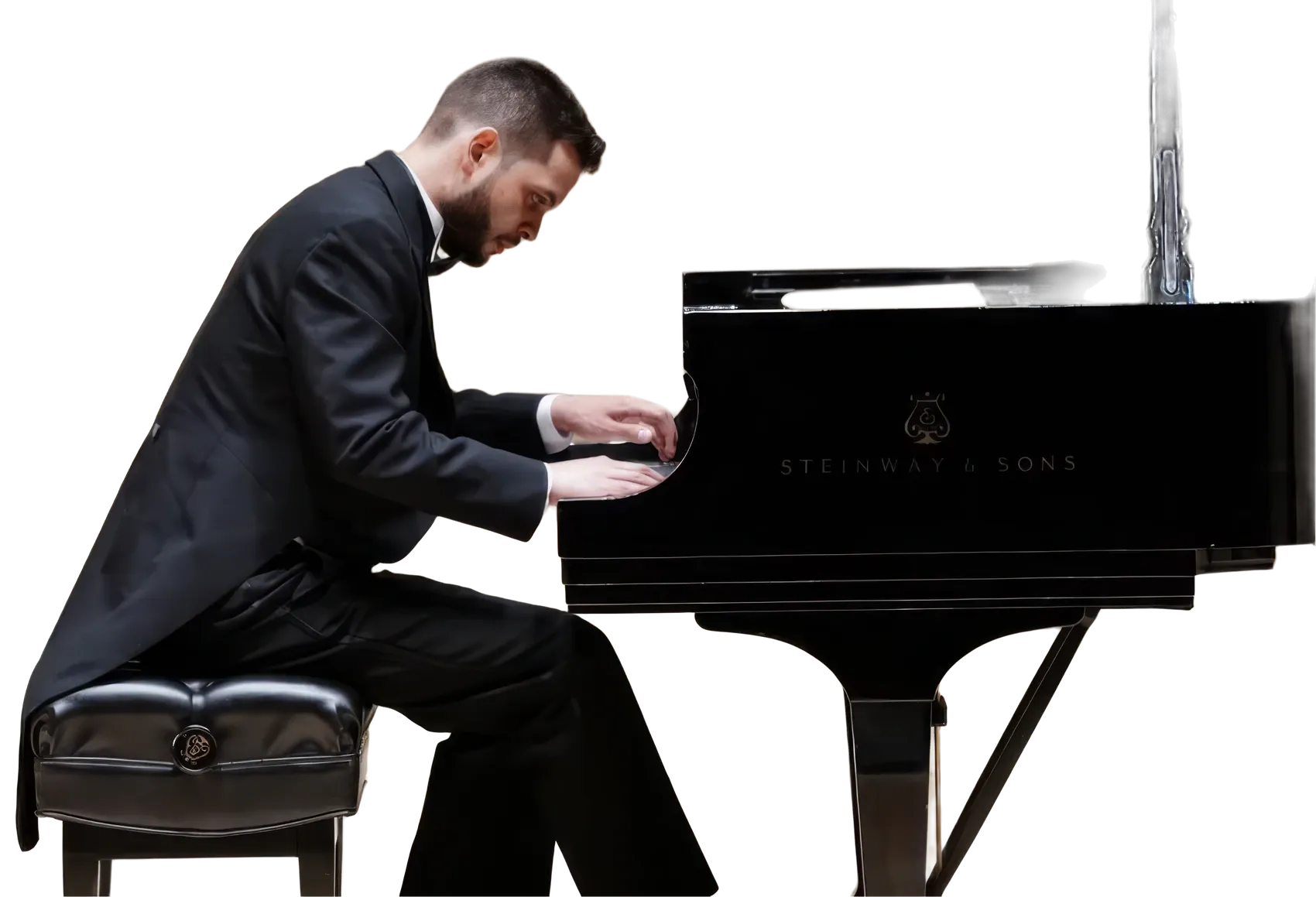
Teaching Philosophy
I believe that learning the piano should be serious, but never impersonal. My goal as a teacher is to help students develop technique, musicianship, independence, and a musical voice that feels genuinely their own. I want them to play well, of course, but also to become thoughtful listeners and to find something lasting in the experience of making music.
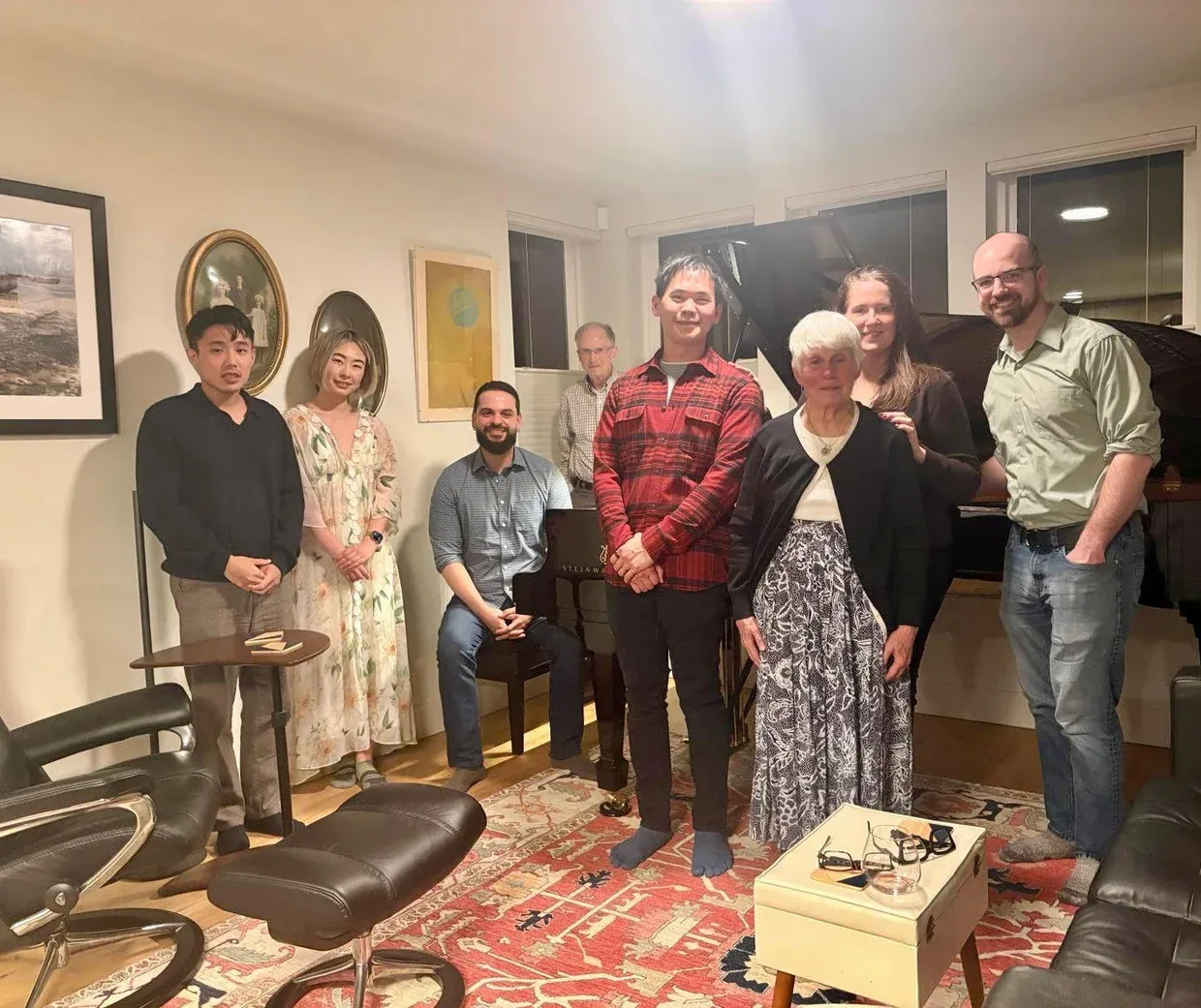
I work especially with adults, from complete beginners to experienced pianists returning after many years away from the instrument. Adults rarely come to the piano as blank slates. They bring a history with them, along with expectations, insecurities, and often a desire to make music that has been sitting quietly in the background of their lives for years.
I think that history matters. I try to understand what brings each person to the instrument rather than beginning with a fixed idea of what a pianist should look or sound like. That does not mean lowering expectations.
I care deeply about technical development and careful listening, but technique should serve expression. Practice should also be more than repetition. I want students to learn how to listen critically, solve problems, and make musical decisions for themselves. Ideally, the longer we work together, the less they need me.
I also do not want my students to sound like me. We can talk about interpretation, style, and the structure of a piece, but those conversations should help a student hear more clearly, not teach them to imitate my choices. Repertoire is part of that process.
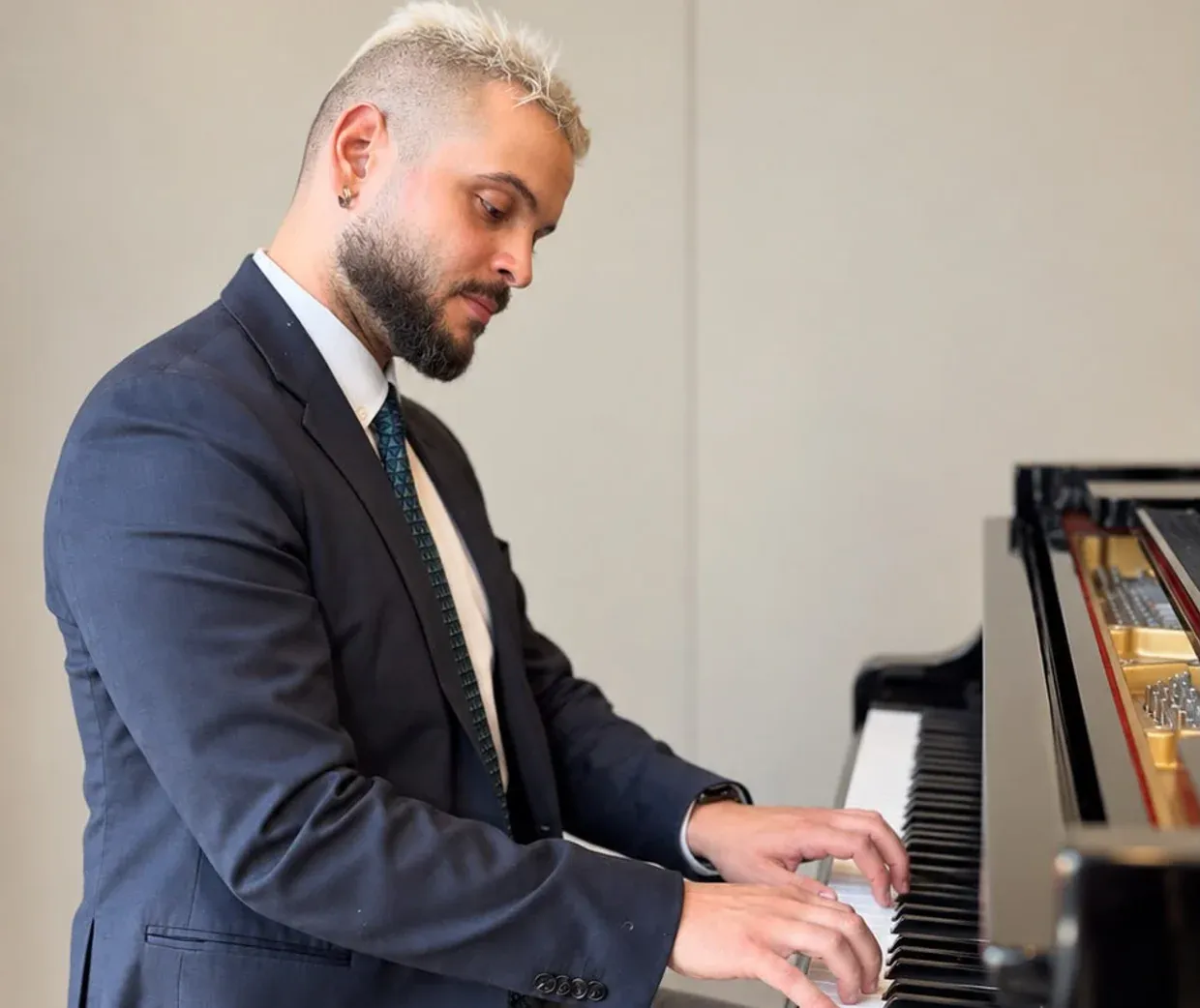
My own training is deeply rooted in the Western classical tradition, and I value it, but I also enjoy introducing students to music beyond the standard canon, including repertoire that reflects different cultures and artistic voices. I do not choose music to satisfy a checklist. I want the student to have a reason to care about the piece in front of them.
“Love the art in themselves, and not themselves in art.”
For some people, especially adults, learning the piano becomes more than learning a new skill. It can be a way of returning to a part of themselves that has had little space elsewhere in life. That possibility interests me enormously.
A lesson is never only about producing the right notes; there is always a person sitting at the instrument, and that person brings a history with them. Growing up in Brazil and later building my life in the United States has made me especially aware of how culture, language, and belonging can shape the experience of learning. I try to create a studio where students can ask questions, take risks, struggle with something without embarrassment, and feel that they do not have to become someone else in order to belong in music.
Ultimately, I want to be the kind of teacher who knows when to insist and when to listen. Excellence matters to me, but so do curiosity, individuality, and the pleasure of making music. If a student leaves my studio playing with greater freedom, trusting their own artistic judgment, and feeling that music belongs more fully in their life, I consider that meaningful work.